Vancouver Inclusive Playground Design Could Shape Family-Friendly Neighbourhoods
Vancouver is inviting feedback on inclusive playground design, a small planning step that can improve accessibility, community feel, and neighbourhood appeal.
Vancouver’s Park Board is asking residents to help shape the design of more inclusive playgrounds across the city. For families, this is about more than play equipment, it’s about creating spaces that feel welcoming, accessible, and useful for children of all abilities.
If you follow neighbourhood quality-of-life issues, this is the kind of planning decision that can quietly influence how a community feels day to day. And over time, those details can matter for livability, family appeal, and even how buyers talk about a neighbourhood.
Why inclusive playground design matters
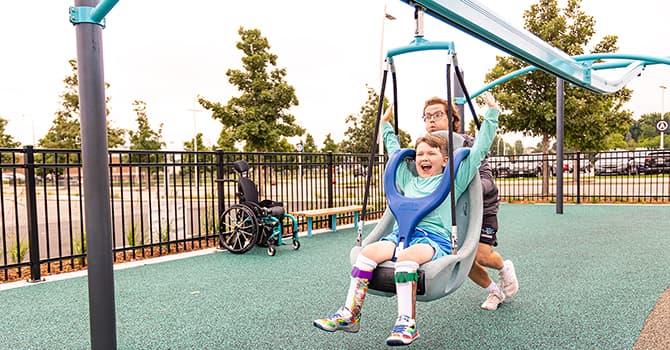
Inclusive playgrounds are designed to be more welcoming to a wider range of children, including kids with different physical, sensory, or developmental needs. That can mean better access, more thoughtful layouts, and play spaces that invite more children and caregivers to participate together.
From a neighbourhood perspective, that matters because parks are often one of the first places families notice when they’re evaluating an area. A well-designed playground can support:
More comfortable use for families with different mobility needs
Stronger community interaction among parents, caregivers, and children
A more family-friendly feel in the surrounding neighbourhood
Better everyday livability for residents who use parks regularly
For many homebuyers, especially those with young children, nearby public amenities are part of the bigger housing decision. A playground may not close a sale on its own, but it can absolutely shape how a neighbourhood is perceived.
What the Park Board is asking for
The Park Board is inviting residents to share feedback to help inform future playground planning. The goal is to make sure these spaces are accessible and welcoming for children of all abilities.
That kind of public input matters because playgrounds are used differently by different families. Some people are thinking about stroller access, others are looking for sensory-friendly features, and others simply want a place where children can play together more easily.
If you live near a park, have kids, care for kids, or spend time in neighbourhood green spaces, this is the sort of planning process where your perspective can help shape the result.
Why this is relevant to Vancouver Real Estate
When people talk about real estate, they often focus on listings, mortgage rates, and resale value. But neighbourhood amenities play a big role too.
Inclusive playgrounds can contribute to the kind of street-level livability that makes an area feel more complete. For buyers comparing similar homes, that can be a meaningful difference. For sellers, it can be part of the broader story of why a neighbourhood appeals to families. And for investors, it’s another reminder that community infrastructure helps support long-term demand.
A few practical ways this shows up:
Family buyers often look for walkable parks and usable public spaces
Neighbourhood reputation can improve when amenities feel welcoming to more people
Community building tends to be stronger where shared spaces are easy to use
Long-term appeal often follows areas that invest in inclusive, everyday infrastructure
If you’re thinking about your neighbourhood, here’s the bigger picture
This is a good reminder that real estate value is not only about the home itself. It’s also about the public realm around it: parks, sidewalks, schools, and gathering spaces.
Inclusive playground planning is one of those city-building decisions that can have a small but real effect on how families experience a neighbourhood. If Vancouver wants to stay attractive to households at different life stages, these kinds of amenities matter.
If you care about family-friendly neighbourhoods, this is worth paying attention to. And if you live near a park, it’s worth sharing your input when opportunities like this come up.
FAQ
Q: What is an inclusive playground?
A: An inclusive playground is designed to be welcoming and usable for children of different abilities, often with more accessible layouts and play features.
Q: Why does playground design matter for real estate?
A: Shared amenities like parks and playgrounds can influence how family-friendly a neighbourhood feels, which can affect buyer interest and long-term appeal.
Q: Can public parks affect neighbourhood value?
A: They can contribute to the overall livability and desirability of an area, especially for buyers looking for family-oriented communities.
Q: Who should give feedback on playground planning?
A: Residents who use local parks, including parents, caregivers, and community members interested in accessible public spaces, should consider sharing input.
Q: Is this only relevant for families with young children?
A: No, inclusive public spaces benefit the wider community by making neighbourhood amenities more welcoming and usable for more people.
No comments yet. Be the first!